PCB Blog
-
Read more: PCB Protective Coating: A Shield to Keep Your Circuits Safe
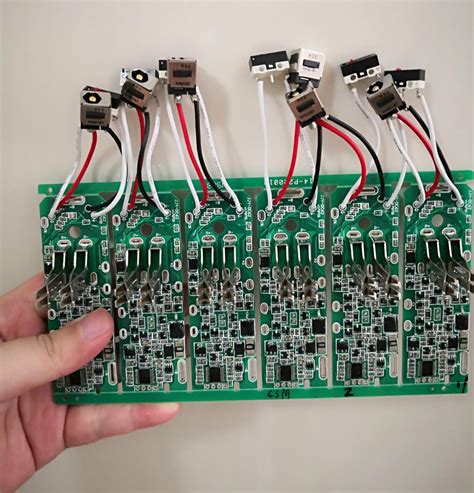
What is PCB Protection? PCB protection refers to the application of specialized coatings or materials onto the surface of a printed circuit board to safeguard it from external factors that could potentially damage or degrade its performance. These protective coatings serve as a barrier, preventing contaminants, moisture, and other harmful […]
-
 Read more: PCB Testing: The 8 Testing Methods You Need To Know
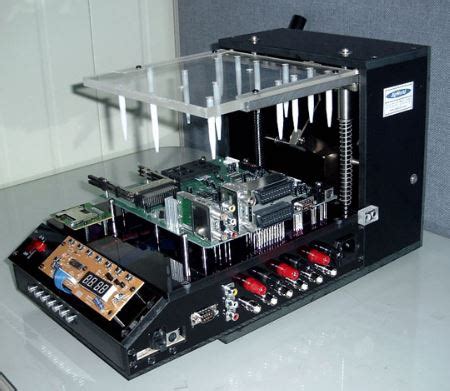
Why is PCB Testing Important? PCB testing is vital for several reasons: Quality Assurance: Testing helps ensure that the manufactured PCBs meet the required specifications and standards, guaranteeing a high-quality end product. Reliability: Thorough testing identifies potential issues and defects, preventing premature failures and enhancing the overall reliability of the […]
-
 Read more: The Use of Silk Screen Technology in Printed Circuit Board PCB
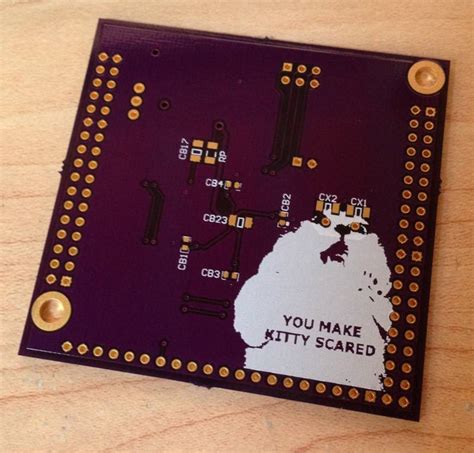
What is PCB Silkscreening? PCB silkscreening, also known as legend printing, is the process of applying ink onto the surface of a printed circuit board (PCB) to create text, logos, and other identifying marks. This technique is widely used in the electronics industry to improve the readability, aesthetics, and overall […]
-
FR4 material with not too yellow for PCBs
Posted by
–
 Read more: FR4 material with not too yellow for PCBs
Understanding FR4 and Its Yellowness What is FR4? FR4 is a widely used material in the manufacturing of printed circuit boards (PCBs). It is a composite material made of woven fiberglass fabric impregnated with an epoxy resin. The “FR” in FR4 stands for “Flame Retardant,” indicating its ability to resist […]
-
Printed and flexible electronics
Posted by
–
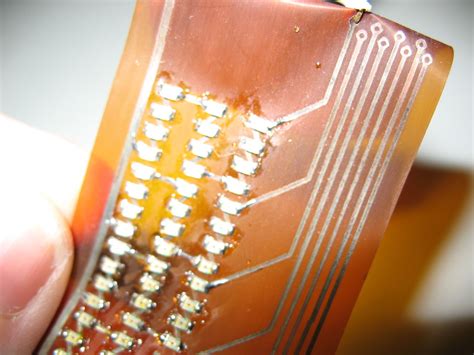 Read more: Printed and flexible electronics
Introduction to Printed and Flexible Electronics Printed and flexible electronics represent an emerging field that combines the advantages of printable materials with the flexibility and conformability of plastIC Substrates. This technology enables the creation of lightweight, thin, and flexible electronic devices that can be integrated into a wide range of […]
-
How to Protect the PCBs
Posted by
–
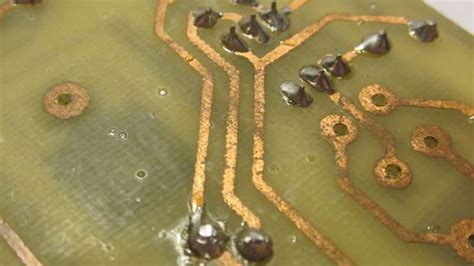 Read more: How to Protect the PCBs
Introduction to PCB Protection Printed Circuit Boards (PCBs) are essential components in modern electronic devices. They provide a platform for mounting and interconnecting electronic components, enabling the functionality of the device. However, PCBs are susceptible to various environmental factors, such as moisture, dust, and extreme temperatures, which can lead to […]
-
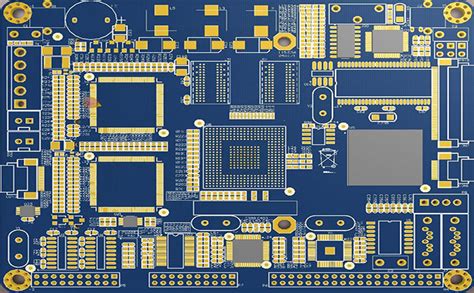 Read more: HDI PCB – The Ultimate Guide To How To Achieve A Perfect HDI
What is HDI PCB? HDI (High Density Interconnect) PCB is a printed circuit board that features a higher wiring density per unit area than conventional PCBs. This is achieved through the use of smaller vias, finer traces, and capture pads, as well as by incorporating multiple layers of circuitry within […]
-
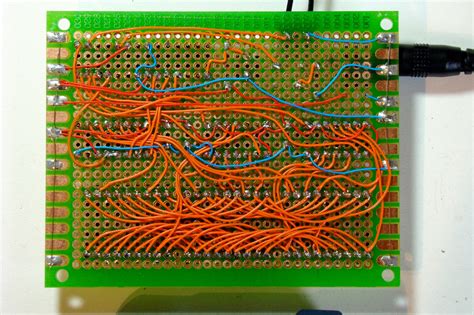 Read more: Circuit Board Background-Specific And Ultimate Guide
What is a Circuit Board? A circuit board, also known as a printed circuit board (PCB), is the foundation of modern electronic devices. It is a flat board made of insulating material, such as fiberglass or plastic, with conductive pathways etched or printed onto its surface. These pathways, called traces, […]
-
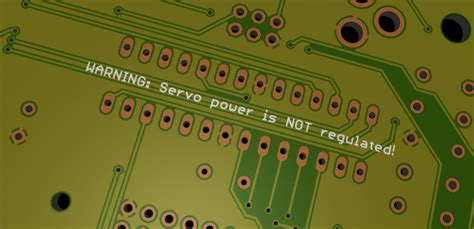 Read more: 7 Tips For Getting a High-Quality Medical Grade PCB
What is a Medical Grade PCB? A medical grade printed circuit board (PCB) is a PCB that meets specific standards and requirements for use in medical devices and equipment. Compared to standard commercial or industrial PCBs, medical grade PCBs must have higher reliability, stricter manufacturing controls, and pass more rigorous […]
-
Recommended Points to Note in PCB Manufacturing
Posted by
–
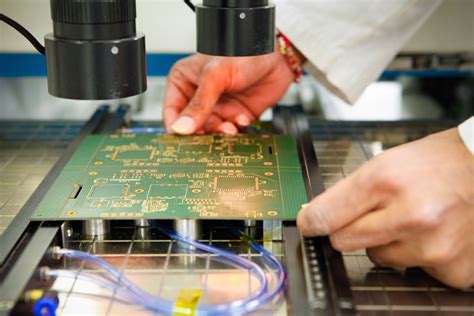 Read more: Recommended Points to Note in PCB Manufacturing
Introduction to PCB Manufacturing Printed Circuit Board (PCB) manufacturing is a complex process that involves several critical steps to ensure the production of high-quality, reliable boards. From design and material selection to fabrication and testing, each stage requires careful consideration and adherence to best practices. This article will explore the […]
Recent Posts
- Best Practices to Ensure the Correct Component Orientation by Optimized assembly PCB board!
- Build a New Product quickly with PCB Assembly Prototyping – A Brief Guide!
- Can you provide complete PCB box-build services?
- Tips for Choosing the Perfect Cable Assembly Manufacturer!
- Top 10 Best PCB routing practices!
Categories
- PCB Blog 835