Introduction to Electromechanical Assemblies and Outsourcing
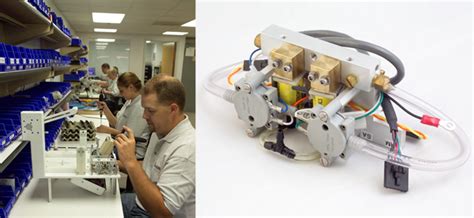
Electromechanical assemblies are a crucial component in various industries, including aerospace, automotive, medical devices, and consumer electronics. These assemblies combine electrical and mechanical components to create complex systems that perform specific functions. As technology advances and market demands evolve, companies face the challenge of designing, manufacturing, and assembling these intricate systems efficiently and cost-effectively.
Outsourcing electromechanical assemblies has become an increasingly popular strategy for businesses looking to streamline their operations, reduce costs, and focus on their core competencies. By partnering with specialized contract manufacturers, companies can leverage their expertise, advanced manufacturing capabilities, and supply chain networks to produce high-quality electromechanical assemblies.
In this article, we will explore the reasons why companies should consider outsourcing electromechanical assemblies and the key factors to consider when deciding whether outsourcing is the right choice for their business.
Advantages of Outsourcing Electromechanical Assemblies
Cost Savings
One of the primary reasons companies choose to outsource electromechanical assemblies is to reduce costs. Outsourcing allows businesses to avoid the significant capital investments required to establish and maintain in-house manufacturing facilities, including equipment, infrastructure, and skilled labor.
Contract manufacturers often have economies of scale, enabling them to purchase components and materials at lower prices due to their higher volume requirements. They also have optimized processes and lean manufacturing practices that help minimize waste and improve efficiency, resulting in lower production costs.
Access to Specialized Expertise and Advanced Technology
Electromechanical assemblies often require specialized knowledge and skills to design, manufacture, and assemble effectively. Outsourcing to a contract manufacturer with expertise in electromechanical assemblies provides access to a team of experienced engineers, technicians, and quality control professionals who can ensure the highest level of product quality and performance.
Moreover, contract manufacturers typically invest in state-of-the-art equipment and technologies to stay competitive in the market. By outsourcing, companies can benefit from these advanced manufacturing capabilities without the need to invest in expensive machinery and software themselves.
Increased Flexibility and Scalability
Outsourcing electromechanical assemblies allows companies to be more flexible and responsive to changing market demands. Contract manufacturers can quickly ramp up or down production based on the client’s needs, enabling businesses to adapt to fluctuations in demand without the burden of maintaining a fixed workforce or infrastructure.
This scalability is particularly valuable for companies experiencing rapid growth or those with seasonal product demands. Outsourcing allows them to focus on their core competencies, such as research and development or marketing, while the contract manufacturer handles the production and assembly of electromechanical components.
Improved Time-to-Market
In today’s fast-paced business environment, the ability to bring new products to market quickly is a critical factor for success. Outsourcing electromechanical assemblies can significantly reduce the time required to develop, prototype, and manufacture a product.
Contract manufacturers have streamlined processes, established supply chain networks, and the necessary expertise to efficiently manage the entire production lifecycle. By leveraging their capabilities, companies can accelerate their product development timelines and gain a competitive edge in the market.
Enhanced Quality and Reliability
Outsourcing electromechanical assemblies to a reputable contract manufacturer can lead to improved product quality and reliability. These manufacturers have strict quality control processes in place, adhering to industry standards and certifications such as ISO 9001, AS9100, or ISO 13485.
Contract manufacturers also have experience working with a wide range of clients and industries, which allows them to identify and address potential issues early in the production process. This proactive approach helps minimize defects, reduce rework, and ensure consistent product quality.

Factors to Consider When Outsourcing Electromechanical Assemblies
Selecting the Right Contract Manufacturer
Choosing the right contract manufacturer is crucial for the success of your outsourcing strategy. When evaluating potential partners, consider factors such as their experience in electromechanical assemblies, industry-specific certifications, manufacturing capabilities, and quality control processes.
It’s also essential to assess their financial stability, reputation, and ability to meet your production requirements. Conducting thorough due diligence and visiting their facilities can help you make an informed decision and establish a long-term, mutually beneficial partnership.
Intellectual Property Protection
When outsourcing electromechanical assemblies, it’s crucial to protect your intellectual property (IP). Ensure that your contract manufacturer has robust IP protection policies and procedures in place, including non-disclosure agreements (NDAs) and secure data management systems.
Clearly define the ownership of any IP developed during the collaboration and establish guidelines for the use and distribution of confidential information. Working with a reputable contract manufacturer with a proven track record of safeguarding client IP can help mitigate risks and maintain your competitive advantage.
Communication and Collaboration
Effective communication and collaboration are key to successful outsourcing partnerships. Establish clear lines of communication with your contract manufacturer, including regular progress updates, performance metrics, and issue resolution processes.
Foster a collaborative relationship by involving your contract manufacturer early in the product development process. Their expertise and insights can help optimize designs for manufacturability, reduce costs, and improve overall product quality.
Supply Chain Management
Outsourcing electromechanical assemblies often involves managing a complex supply chain, including the procurement of components, materials, and sub-assemblies. Work closely with your contract manufacturer to develop a robust supply chain strategy that ensures the timely availability of high-quality components at competitive prices.
Consider factors such as supplier selection, inventory management, and risk mitigation strategies to minimize supply chain disruptions and maintain consistent production schedules.
Cost-Benefit Analysis
While outsourcing electromechanical assemblies can provide significant cost savings, it’s essential to conduct a thorough cost-benefit analysis to ensure that outsourcing aligns with your business goals and financial objectives.
Consider factors such as the total cost of ownership, including transportation, inventory, and quality control costs, as well as the potential impact on your organization’s core competencies and long-term strategic objectives.

When to Outsource Electromechanical Assemblies
Complex or Specialized Assemblies
Outsourcing is particularly beneficial when dealing with complex or specialized electromechanical assemblies that require expertise or manufacturing capabilities beyond your organization’s current scope. Contract manufacturers with specific industry experience can provide the necessary knowledge and resources to produce these assemblies efficiently and to the highest quality standards.
Limited In-House Resources
If your organization lacks the internal resources, such as skilled labor, equipment, or infrastructure, to effectively manufacture electromechanical assemblies, outsourcing can be a viable solution. By partnering with a contract manufacturer, you can access the necessary resources without significant capital investments or long-term commitments.
Fluctuating Demand or Seasonal Products
Companies with products that experience fluctuating demand or have seasonal sales cycles can benefit from outsourcing electromechanical assemblies. Contract manufacturers can provide the flexibility to scale production up or down based on your needs, helping you avoid the costs and challenges associated with maintaining a fixed in-house production capacity.
New Product Introduction or Prototyping
Outsourcing can be particularly advantageous during the new product introduction (NPI) or prototyping phase. Contract manufacturers can provide rapid prototyping services, helping you iterate and refine your designs quickly and cost-effectively. Their expertise can also help identify potential manufacturing challenges early in the process, reducing the risk of delays or quality issues during full-scale production.
Focus on Core Competencies
If manufacturing electromechanical assemblies is not a core competency of your organization, outsourcing can allow you to focus on your strengths, such as research and development, marketing, or customer service. By delegating the production and assembly of these components to a specialized contract manufacturer, you can allocate your resources more effectively and drive innovation in your core areas of expertise.

Frequently Asked Questions (FAQ)
1. How do I choose the right contract manufacturer for my electromechanical assemblies?
When selecting a contract manufacturer, consider factors such as their experience in your industry, manufacturing capabilities, quality control processes, financial stability, and reputation. Conduct thorough due diligence, visit their facilities, and request references from existing clients to make an informed decision.
2. How can I protect my intellectual property when outsourcing electromechanical assemblies?
To safeguard your intellectual property, ensure that your contract manufacturer has robust IP protection policies and procedures in place, including non-disclosure agreements (NDAs) and secure data management systems. Clearly define the ownership of any IP developed during the collaboration and establish guidelines for the use and distribution of confidential information.
3. What are the potential risks associated with outsourcing electromechanical assemblies?
Potential risks include loss of control over the manufacturing process, quality issues, supply chain disruptions, and intellectual property risks. To mitigate these risks, establish clear communication channels, implement robust quality control measures, develop a comprehensive supply chain strategy, and work with a reputable contract manufacturer with a proven track record.
4. How can I ensure consistent quality when outsourcing electromechanical assemblies?
To maintain consistent quality, choose a contract manufacturer with strict quality control processes and industry-specific certifications such as ISO 9001, AS9100, or ISO 13485. Establish clear quality standards and performance metrics, conduct regular audits, and work closely with your contract manufacturer to identify and address any quality issues promptly.
5. What are the long-term benefits of outsourcing electromechanical assemblies?
Outsourcing electromechanical assemblies can provide long-term benefits such as cost savings, access to specialized expertise and advanced technologies, increased flexibility and scalability, improved time-to-market, and enhanced product quality and reliability. By partnering with a reliable contract manufacturer, companies can focus on their core competencies, drive innovation, and maintain a competitive edge in their respective markets.
Conclusion
Outsourcing electromechanical assemblies can be a strategic decision for companies looking to optimize their manufacturing operations, reduce costs, and focus on their core competencies. By partnering with a specialized contract manufacturer, businesses can leverage their expertise, advanced manufacturing capabilities, and supply chain networks to produce high-quality electromechanical assemblies efficiently and cost-effectively.
When considering outsourcing, it’s essential to evaluate factors such as the complexity of the assemblies, available in-house resources, demand fluctuations, and the focus on core competencies. Selecting the right contract manufacturer, protecting intellectual property, fostering effective communication and collaboration, and managing the supply chain are crucial for the success of an outsourcing partnership.
By carefully weighing the advantages and considerations outlined in this article, companies can make informed decisions about when and how to outsource electromechanical assemblies, ultimately driving growth, innovation, and competitiveness in their respective markets.

Leave a Reply