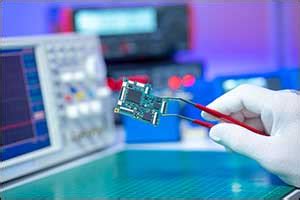
What Is a Circuit board test?
A circuit board test is a process of evaluating the functionality, reliability, and performance of a printed circuit board (PCB) and its components. The purpose of a circuit board test is to identify any defects, shorts, opens, or other issues that may affect the proper functioning of the device. Circuit board tests can be performed at various stages of the product lifecycle, including:
- Design validation
- Prototype testing
- Manufacturing quality control
- In-field maintenance and troubleshooting
There are several types of circuit board tests, each targeting specific aspects of the PCB:
| Test Type | Description |
|---|---|
| Visual Inspection | A manual or automated inspection of the PCB for visible defects, such as damaged components, solder bridges, or incorrect component placement. |
| Automated Optical Inspection (AOI) | An automated process that uses high-resolution cameras and image processing software to detect surface-level defects on the PCB. |
| In-Circuit Testing (ICT) | A test that verifies the functionality of individual components and their interconnections using specialized test probes. |
| Flying Probe Testing | A non-contact testing method that uses movable test probes to access test points on the PCB, allowing for more flexible and adaptable testing. |
| Functional Testing | A test that verifies the overall functionality of the assembled PCB by simulating real-world operating conditions. |
Why Is Circuit Board Testing Important?
Circuit board testing is essential for ensuring the quality, reliability, and performance of electronic devices. By identifying and addressing issues early in the product lifecycle, manufacturers can:
- Reduce production costs by catching defects before they lead to more expensive failures
- Improve product quality and reliability by eliminating faulty components and assembly issues
- Enhance customer satisfaction by delivering products that meet or exceed performance expectations
- Minimize the risk of product recalls or liabili


Leave a Reply