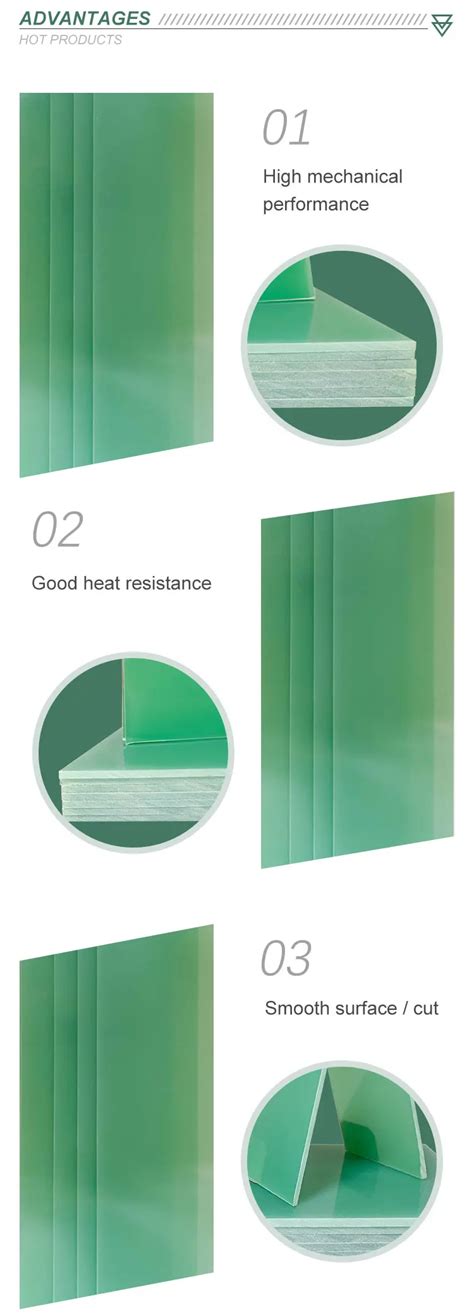
What is FR4?
FR4 is a composite material made up of woven fiberglass cloth and epoxy resin. The fiberglass provides mechanical strength and stability, while the epoxy resin provides electrical insulation and flame retardancy. FR4 is classified as a Grade 10 material according to the National Electrical Manufacturers Association (NEMA) standards.
Composition of FR4
The composition of FR4 varies depending on the manufacturer and the specific application. However, the typical composition of FR4 is as follows:
| Component | Percentage |
|---|---|
| Epoxy Resin | 40-60% |
| Fiberglass | 40-60% |
| Flame Retardant | 1-10% |
The exact percentages of each component can vary depending on the desired properties of the final product. For example, a higher percentage of fiberglass may be used for applications that require higher mechanical strength, while a higher percentage of epoxy resin may be used for applications that require better electrical insulation.
Properties of FR4
FR4 has several properties that make it an ideal material for PCB manufacturing. These properties include:
- Excellent electrical insulation
- High mechanical strength and stability
- Flame retardancy
- Good thermal stability
- Resistance to moisture and chemicals
The specific properties of FR4 can vary depending on the composition and manufacturing process used. However, in general, FR4 is known for its reliability and durability in a wide range of applications.
Factors Affecting FR4 Quality
There are several factors that can affect the quality of FR4. These factors include:
Manufacturing Process
The manufacturing process used to produce FR4 can have a significant impact on its quality. The process typically involves impregnating the fiberglass cloth with epoxy resin, curing the resin, and then cutting the material to the desired size and shape. Any variations in this process can affect the final properties of the material.
Raw Materials
The quality of the raw materials used to produce FR4 can also impact its final quality. The fiberglass cloth and epoxy resin used should be of high quality and free from impurities or defects. Lower quality raw materials can result in a lower quality final product.
Storage and Handling
Proper storage and handling of FR4 is important to maintain its quality. FR4 should be stored in a cool, dry place away from direct sunlight and moisture. It should also be handled carefully to avoid damage or contamination.
Testing and Inspection
Regular testing and inspection of FR4 is important to ensure that it meets the required specifications and standards. This can include visual inspection, dimensional checks, electrical testing, and mechanical testing.

How to Ensure FR4 Quality
There are several steps that can be taken to ensure that you are getting high-quality FR4 for your PCB project. These include:
Choose a Reputable Manufacturer
Choosing a reputable manufacturer is one of the most important steps in ensuring FR4 quality. Look for a manufacturer with a proven track record of producing high-quality FR4 and who follows industry standards and best practices.
Specify Your Requirements
When ordering FR4, it is important to clearly specify your requirements in terms of thickness, size, and any other relevant specifications. This will help ensure that you receive the correct material for your specific application.
Request Material Certifications
Material certifications provide documentation of the specific properties and characteristics of the FR4 material. Requesting these certifications from your manufacturer can help ensure that you are receiving material that meets your requirements.
Conduct Incoming Inspection
Conducting incoming inspection of FR4 material can help identify any issues or defects before the material is used in production. This can include visual inspection, dimensional checks, and any other relevant testing.
Monitor Supplier Performance
Monitoring the performance of your FR4 supplier over time can help ensure consistent quality. This can include tracking metrics such as on-time delivery, material quality, and responsiveness to issues or concerns.

Common FR4 Quality Issues
There are several common quality issues that can arise with FR4 material. These include:
Delamination
Delamination occurs when the layers of fiberglass and epoxy resin separate from each other. This can be caused by improper curing, contamination, or mechanical stress.
Warping
Warping occurs when the FR4 material bends or twists out of shape. This can be caused by uneven moisture absorption, thermal stress, or mechanical stress.
Dimensional Instability
Dimensional instability occurs when the size or shape of the FR4 material changes over time. This can be caused by moisture absorption, thermal expansion, or mechanical stress.
Electrical Issues
Electrical issues can arise if the FR4 material does not provide adequate insulation or if there are defects or contaminants present. This can lead to short circuits, signal loss, or other performance issues.

Conclusion
FR4 is a critical material in the manufacturing of PCBs, and ensuring its quality is essential for reliable and high-performing electronic products. By understanding the factors that affect FR4 quality and taking steps to ensure that you are receiving high-quality material, you can minimize the risk of quality issues and ensure the success of your PCB project.
Frequently Asked Questions
-
What is the difference between FR4 and other PCB materials?
FR4 is a specific type of PCB material that is known for its excellent electrical insulation, mechanical strength, and flame retardancy. Other PCB materials may have different properties and characteristics depending on their composition and manufacturing process. -
Can FR4 be used for high-frequency applications?
FR4 is generally suitable for low to medium frequency applications. For high-frequency applications, other materials such as Rogers or Teflon may be more appropriate due to their lower Dielectric Constant and dissipation factor. -
How can I test the quality of FR4 material?
There are several tests that can be performed to assess the quality of FR4 material, including visual inspection, dimensional checks, electrical testing, and mechanical testing. These tests can help identify any defects or issues with the material. -
What is the shelf life of FR4 material?
The shelf life of FR4 material can vary depending on the specific composition and storage conditions. In general, FR4 material should be used within 12-18 months of manufacture to ensure optimal performance. -
Can FR4 be recycled?
FR4 material can be recycled, but the process is complex and not widely available. Many manufacturers have programs in place to recycle FR4 waste and minimize environmental impact.


Leave a Reply