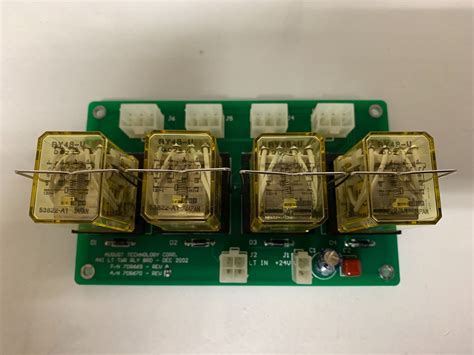
What is Automated X-Ray Inspection (AXI)?
Automated X-Ray Inspection (AXI) is a sophisticated quality control method used in the PCB Assembly process. It utilizes X-ray imaging to create detailed images of the internal structures of PCBs, allowing for the detection of defects that may not be visible to the naked eye or other inspection methods.
AXI systems consist of an X-ray source, a detector, and a computer with specialized software for image analysis. The PCB is placed between the X-ray source and the detector, and as the X-rays pass through the board, the detector captures the images. The software then analyzes these images to identify any anomalies or defects.
Benefits of using AXI in PCB Assembly
There are several key benefits to using AXI in the PCB assembly process:
-
Non-destructive testing: Unlike some other inspection methods, AXI does not require physical contact with the PCB, making it a non-destructive testing method. This means that the PCB can be inspected without causing any damage to the components or the board itself.
-
Detection of hidden defects: AXI can detect defects that are not visible on the surface of the PCB, such as voids in solder joints, component misalignment, and insufficient solder coverage. These hidden defects can be critical to the performance and reliability of the final product.
-
Improved quality control: By identifying defects early in the assembly process, AXI allows for timely corrections and improvements to the manufacturing process. This results in higher quality PCBs and reduced scrap rates.
-
Increased efficiency: AXI systems can inspect PCBs quickly and accurately, reducing the time and labor required for manual inspection. This increased efficiency translates to faster production times and lower costs.

Top PCB Assembly Companies with AXI Capabilities
Several leading PCB assembly companies have invested in AXI Technology to provide their customers with the highest quality products. Here are some of the top companies known for their AXI capabilities:
1. Jabil Circuit
Jabil Circuit is a global manufacturing services company that offers a wide range of PCB assembly services, including AXI. With state-of-the-art facilities and a commitment to quality, Jabil Circuit is a trusted partner for many leading electronics brands.
2. Flex Ltd.
Flex Ltd. is another global provider of PCB assembly services, with a strong focus on advanced technologies like AXI. The company’s extensive experience and expertise in electronics manufacturing make it a reliable choice for businesses seeking high-quality PCBs.
3. Sanmina Corporation
Sanmina Corporation is a leading electronics manufacturing services company that offers PCB assembly with AXI capabilities. The company’s advanced facilities and stringent quality control processes ensure that their customers receive products of the highest standard.
4. Celestica Inc.
Celestica Inc. is a global leader in PCB assembly, offering a range of services that include AXI. With a focus on innovation and continuous improvement, Celestica Inc. is committed to providing its customers with the best possible products and services.
5. Foxconn Technology Group
Foxconn Technology Group is the world’s largest electronics manufacturer, with extensive PCB assembly capabilities that include AXI. The company’s vast resources and expertise make it a top choice for businesses seeking high-volume, high-quality PCB production.

The AXI Process in PCB Assembly
The AXI process typically involves several steps to ensure thorough inspection and analysis of the PCBs. These steps include:
-
PCB loading: The PCB is loaded into the AXI system, either manually or through an automated conveyor system.
-
X-ray imaging: The X-ray source and detector work together to create detailed images of the PCB’s internal structures. Multiple images may be taken from different angles to provide a comprehensive view of the board.
-
Image analysis: The specialized software analyzes the captured images, comparing them to pre-defined templates or CAD data to identify any deviations or anomalies.
-
Defect detection: If any defects are detected, the software flags them for further review and potential corrective action.
-
Reporting: The AXI system generates a detailed report of the inspection results, including the location and nature of any detected defects.
By following this process, PCB assembly companies can ensure that the PCBs they produce meet the highest quality standards and are free from critical defects.

Common Defects Detected by AXI
AXI is capable of detecting a wide range of defects that can occur during the PCB assembly process. Some of the most common defects include:
-
Solder joint defects: Voids, insufficient solder, or excessive solder in the joints between components and the PCB.
-
Component placement issues: Misaligned, skewed, or missing components on the PCB.
-
Shorts and opens: Unintended connections or breaks in the PCB’s conductive paths.
-
Barrel fill issues: Insufficient or excessive filling of plated through-holes (PTHs) with solder.
-
Foreign object detection: Identification of unwanted objects or debris on the PCB that could cause short circuits or other issues.
By detecting these defects early in the assembly process, PCB manufacturers can take corrective action and prevent the production of faulty boards.
Advantages of AXI over other Inspection Methods
AXI offers several advantages over other inspection methods, such as automated optical inspection (AOI) and manual visual inspection. These advantages include:
-
Ability to detect hidden defects: AXI can identify defects that are not visible on the surface of the PCB, which other methods may miss.
-
Improved accuracy: AXI systems provide highly detailed and accurate images of the PCB’s internal structures, reducing the chances of false positives or false negatives.
-
Faster inspection times: Automated X-ray inspection can be completed much faster than manual inspection methods, improving overall production efficiency.
-
Consistent results: AXI systems follow a standardized process and use advanced software for analysis, ensuring consistent and reliable inspection results.
While AXI is a powerful inspection tool, it is often used in combination with other methods to provide a comprehensive quality control solution.
Limitations of AXI in PCB Assembly
Despite its many benefits, AXI does have some limitations that PCB assembly companies must consider. These limitations include:
-
Cost: AXI systems can be expensive to purchase and maintain, which may be a barrier for some smaller PCB assembly companies.
-
Complexity: Implementing and operating an AXI system requires specialized knowledge and training, which can be a challenge for some organizations.
-
Limited component visibility: Some components, such as those with high-density pin configurations or large heatsinks, may be difficult to inspect accurately using AXI.
-
Radiation safety concerns: As AXI systems use X-rays, proper safety protocols must be followed to protect operators and ensure compliance with regulations.
Despite these limitations, the benefits of AXI often outweigh the drawbacks for many PCB assembly companies, particularly those producing high-volume or mission-critical products.
The Future of AXI in PCB Assembly
As the electronics industry continues to evolve, the demand for high-quality, reliable PCBs will only increase. AXI technology is expected to play an increasingly important role in meeting this demand, with advancements in hardware and software improving the capabilities and efficiency of these systems.
Some of the trends and developments that are likely to shape the future of AXI in PCB assembly include:
-
Integration with other inspection methods: Combining AXI with AOI and other inspection techniques to create a more comprehensive and efficient quality control process.
-
Artificial intelligence and machine learning: Incorporating AI and machine learning algorithms to improve defect detection accuracy and speed up image analysis.
-
Inline AXI systems: Integrating AXI systems directly into the production line to enable real-time inspection and feedback, reducing the time between defect detection and correction.
-
Improved user interfaces: Developing more intuitive and user-friendly interfaces for AXI systems, making them easier to operate and maintain.
As these advancements continue, PCB assembly companies that invest in AXI technology will be well-positioned to meet the ever-increasing quality and reliability demands of the electronics industry.
Frequently Asked Questions (FAQ)
-
Q: What is the difference between AXI and AOI in PCB Inspection?
A: AXI uses X-rays to create images of the internal structures of a PCB, allowing for the detection of hidden defects. AOI, on the other hand, uses visible light to inspect the surface of the PCB. While AOI is effective for identifying surface-level defects, it cannot detect issues within the board, such as voids in solder joints. -
Q: How long does an AXI inspection take?
A: The duration of an AXI inspection can vary depending on the complexity of the PCB and the specific system being used. However, AXI is generally much faster than manual inspection methods, with some systems capable of inspecting a PCB in just a few seconds. -
Q: Can AXI detect all types of PCB defects?
A: While AXI is a powerful inspection tool, it may not be able to detect all types of defects. Some components, such as those with high-density pin configurations or large heatsinks, may be difficult to inspect accurately using AXI. Additionally, some surface-level defects, such as cosmetic issues, may not be detected by AXI. -
Q: Is AXI safe for operators?
A: AXI systems use X-rays, which can be harmful if proper safety protocols are not followed. However, modern AXI systems are designed with safety in mind and include features such as shielding and interlocks to protect operators. PCB assembly companies must ensure that their operators are properly trained and that all safety regulations are followed when using AXI equipment. -
Q: How much does an AXI system cost?
A: The cost of an AXI system can vary widely depending on factors such as the size, capabilities, and brand of the system. High-end AXI systems can cost several hundred thousand dollars, while more basic models may be available for less than $100,000. PCB assembly companies must carefully consider their inspection needs and budget when investing in AXI technology.
Conclusion
Automated X-Ray Inspection (AXI) is a powerful tool for ensuring the quality and reliability of PCBs in the electronics manufacturing industry. By providing detailed images of the internal structures of PCBs, AXI allows for the detection of hidden defects that other inspection methods may miss.
Leading PCB assembly companies have recognized the benefits of AXI and have invested in this technology to provide their customers with the highest quality products. As the electronics industry continues to evolve, the role of AXI in PCB assembly is expected to grow, with advancements in hardware and software improving the capabilities and efficiency of these systems.
While AXI does have some limitations, such as cost and complexity, the benefits it offers in terms of quality control and efficiency often outweigh these drawbacks. PCB assembly companies that adopt AXI technology and follow best practices for its implementation and use will be well-positioned to meet the ever-increasing demands of the electronics industry.
In summary, Automated X-Ray Inspection is a vital tool for PCB assembly companies seeking to deliver high-quality, reliable products to their customers. As technology advances and the industry evolves, AXI will continue to play a critical role in ensuring the integrity and performance of the electronic devices that power our world.
| Company | AXI Capabilities | Additional Services |
|---|---|---|
| Jabil Circuit | State-of-the-art AXI systems | Full range of PCB assembly services |
| Flex Ltd. | Advanced AXI technology | Global manufacturing presence |
| Sanmina Corporation | Stringent quality control with AXI | End-to-end manufacturing solutions |
| Celestica Inc. | Innovative AXI processes | Supply chain management expertise |
| Foxconn Technology Group | High-volume AXI inspection | Extensive manufacturing capabilities |

Leave a Reply