
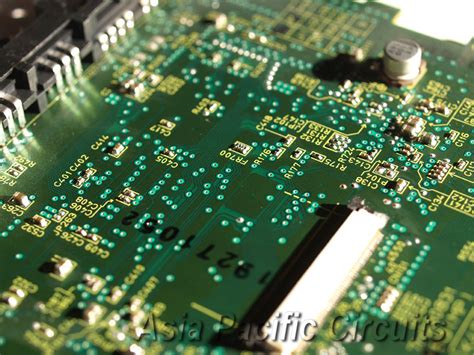
Soldering Issues
Soldering is one of the most critical steps in the PCB assembly process, as it involves attaching components to the board using molten metal. Poor soldering can lead to various issues that affect the board’s functionality and reliability.
Cold Solder Joints
Cold solder joints occur when the solder does not melt completely, resulting in a weak and brittle connection between the component and the board. This can happen due to insufficient heat, improper flux usage, or contamination of the soldering surface.
To avoid cold solder joints:
– Ensure the soldering iron is set to the correct temperature for the solder being used
– Use the appropriate flux for the soldering process
– Clean the soldering surfaces thoroughly before soldering
– Allow sufficient time for the solder to melt and flow properly
Bridging
Solder bridging occurs when excess solder creates an unintended connection between two or more pins or pads on the PCB. This can lead to short circuits and improper functioning of the board.
To prevent solder bridging:
– Use solder stencils or masks to control the amount of solder applied
– Maintain proper spacing between components and traces
– Use a soldering iron with a fine tip for precise control
– Inspect the board for bridges after soldering and remove them using a solder wick or desoldering tool
Insufficient Solder
Insufficient solder can result in weak connections that may fail over time due to mechanical stress or thermal cycling. This can happen when too little solder is applied or when the soldering iron is not held in place long enough for the solder to flow properly.
To ensure sufficient solder:
– Use the correct amount of solder for each joint
– Hold the soldering iron in place long enough for the solder to melt and flow around the connection
– Use a soldering iron with the appropriate wattage for the job
– Inspect the joints after soldering to ensure proper coverage
Component Placement Issues
Accurate component placement is essential for a functional and reliable PCB. Misaligned or improperly seated components can lead to various problems.
Misaligned Components
Misaligned components can cause short circuits, open connections, or mechanical interference with other components on the board. This can happen due to human error, incorrect pick-and-place machine settings, or poor component packaging.
To avoid misaligned components:
– Use a vision system to verify component placement during the pick-and-place process
– Ensure the pick-and-place machine is properly calibrated and programmed
– Use component packaging that maintains proper orientation and spacing
– Perform visual inspections after placement to identify and correct misalignments
Tombstoning
Tombstoning, also known as “drawbridging,” occurs when one end of a surface-mount component lifts off the PCB during the soldering process. This can happen due to uneven heating, different pad sizes, or incorrect component placement.
To prevent tombstoning:
– Ensure even heating during the soldering process
– Use pads of equal size on both ends of the component
– Place components accurately and with proper orientation
– Use a slower ramp-up rate for the soldering temperature to allow for even heating

Contamination and Cleaning Issues
Contamination of the PCB or its components can lead to various problems, such as poor solderability, corrosion, or electrical shorts. Proper cleaning and handling procedures are essential to maintain the integrity of the board.
Flux Residue
Flux is used to promote solder flow and prevent oxidation during the soldering process. However, if not properly cleaned, flux residue can cause corrosion, poor insulation resistance, or even attract moisture and contaminants.
To address flux residue:
– Use a no-clean flux that leaves minimal residue
– Clean the board thoroughly after soldering using the appropriate solvent or cleaning method
– Verify the cleanliness of the board using visual inspection or ionic contamination testing
Handling and Storage
Improper handling and storage of PCBs and components can lead to contamination, static discharge, or physical damage. This can result in reduced reliability, performance issues, or even complete failure of the board.
To ensure proper handling and storage:
– Use ESD (electrostatic discharge) protection measures, such as grounding straps and anti-static packaging
– Store PCBs and components in a clean, dry, and temperature-controlled environment
– Handle boards and components with clean, gloved hands to avoid contamination
– Use appropriate packaging materials to protect boards during transportation and storage

Design and Manufacturing Issues
Some PCB Assembly Problems can be traced back to issues in the design or manufacturing process. Addressing these issues early can help prevent problems down the line.
Incorrect or Outdated Documentation
Incorrect or outdated documentation, such as schematics, bill of materials (BOM), or assembly drawings, can lead to mistakes in component selection, placement, or soldering. This can result in a non-functional or poorly performing board.
To avoid documentation issues:
– Maintain accurate and up-to-date documentation throughout the design and manufacturing process
– Use version control to track changes and ensure all team members are working with the latest information
– Perform a thorough review of all documentation before beginning the assembly process
Manufacturing Defects
Manufacturing defects, such as incorrect trace width, spacing, or hole size, can cause various problems during the assembly process. These defects can lead to short circuits, open connections, or difficulty in component placement and soldering.
To prevent manufacturing defects:
– Work with reputable PCB manufacturers that adhere to industry standards and quality control measures
– Provide clear and accurate design files and specifications to the manufacturer
– Perform incoming quality control inspections on the PCBs before beginning the assembly process
– Use automated optical inspection (AOI) or X-ray inspection to detect and address manufacturing defects

FAQ
What are the most common PCB assembly problems?
The most common PCB assembly problems include soldering issues (cold solder joints, bridging, insufficient solder), component placement issues (misaligned components, tombstoning), contamination and cleaning issues (flux residue, improper handling and storage), and design and manufacturing issues (incorrect documentation, manufacturing defects).
How can I avoid soldering issues during PCB assembly?
To avoid soldering issues, ensure the soldering iron is set to the correct temperature, use the appropriate flux, clean the soldering surfaces thoroughly, and allow sufficient time for the solder to melt and flow properly. Use solder stencils or masks to control the amount of solder applied, maintain proper spacing between components and traces, and inspect the board for bridges after soldering.
What causes tombstoning during the PCB assembly process?
Tombstoning can happen due to uneven heating, different pad sizes, or incorrect component placement. To prevent tombstoning, ensure even heating during the soldering process, use pads of equal size on both ends of the component, place components accurately and with proper orientation, and use a slower ramp-up rate for the soldering temperature to allow for even heating.
How can I prevent contamination and ensure proper cleaning of PCBs?
To prevent contamination and ensure proper cleaning, use a no-clean flux that leaves minimal residue, clean the board thoroughly after soldering using the appropriate solvent or cleaning method, and verify the cleanliness of the board using visual inspection or ionic contamination testing. Use ESD protection measures, store PCBs and components in a clean, dry, and temperature-controlled environment, and handle boards and components with clean, gloved hands.
What should I do if I encounter design or manufacturing issues during PCB assembly?
If you encounter design or manufacturing issues, maintain accurate and up-to-date documentation throughout the design and manufacturing process, use version control to track changes, and perform a thorough review of all documentation before beginning the assembly process. Work with reputable PCB manufacturers that adhere to industry standards and quality control measures, provide clear and accurate design files and specifications, perform incoming quality control inspections, and use automated optical inspection (AOI) or X-ray inspection to detect and address manufacturing defects.
| Problem Category | Common Issues | Prevention Measures |
|---|---|---|
| Soldering | – Cold solder joints – Bridging – Insufficient solder |
– Set correct soldering iron temperature – Use appropriate flux – Clean soldering surfaces – Use solder stencils or masks – Maintain proper spacing – Inspect for bridges |
| Component Placement | – Misaligned components – Tombstoning |
– Use vision system for verification – Calibrate pick-and-place machine – Use proper component packaging – Ensure even heating – Use equal-sized pads – Place components accurately |
| Contamination and Cleaning | – Flux residue – Improper handling and storage |
– Use no-clean flux – Clean board thoroughly – Verify cleanliness – Use ESD protection – Store in clean, dry environment – Handle with gloved hands |
| Design and Manufacturing | – Incorrect documentation – Manufacturing defects |
– Maintain accurate documentation – Use version control – Review documentation thoroughly – Work with reputable manufacturers – Provide clear design files – Perform quality control inspections – Use AOI or X-ray inspection |
By understanding the common problems that can arise during the PCB assembly process and implementing the appropriate prevention measures, manufacturers can ensure the production of high-quality, reliable printed circuit boards. Regular training, adherence to industry standards, and continuous improvement of processes will help minimize the occurrence of these issues and contribute to the success of PCB assembly projects.

Leave a Reply