

Introduction to PCB+Hacking”>PCB Hacking
PCB hacking, also known as printed circuit board hacking, is the process of modifying or repurposing electronic circuits to create new functionality or to explore the inner workings of electronic devices. It has become an increasingly popular hobby among electronics enthusiasts and makers who enjoy tinkering with hardware and creating custom projects.
What is a PCB?
A printed circuit board (PCB) is a flat board made of insulating material, such as fiberglass or plastic, with conductive copper traces etched onto its surface. These traces connect various electronic components, such as resistors, capacitors, and integrated circuits (ICs), to form a functional electronic circuit.
Why Hack PCBs?
There are several reasons why people enjoy hacking PCBs:
-
Learning: PCB hacking is an excellent way to learn about electronics and how circuits work. By modifying existing designs or creating new ones, you can gain a deeper understanding of electronic principles and components.
-
Customization: Hacking PCBs allows you to customize electronic devices to suit your specific needs or preferences. You can add features, remove unwanted functionality, or improve performance.
-
Repurposing: Sometimes, you may have old or broken electronic devices that can be repurposed for new projects. By hacking the PCBs inside these devices, you can give them a new lease on life and create something unique.
-
Innovation: PCB hacking can lead to innovative projects and inventions. Many groundbreaking electronic devices started as hacked prototypes before evolving into polished products.
Essential Tools for PCB Hacking
To get started with PCB hacking, you’ll need a few essential tools. Here are some of the most important ones:
Soldering Iron
A soldering iron is a hand tool used to melt solder and join electronic components together. When choosing a soldering iron for PCB hacking, look for one with adjustable temperature control and a fine tip for precision work.
| Soldering Iron Type | Features | Price Range |
|---|---|---|
| Basic Soldering Iron | Fixed temperature, no additional features | $10 – $30 |
| Adjustable Temperature Soldering Iron | Variable temperature control, interchangeable tips | $30 – $100 |
| Soldering Station | Digital temperature control, multiple tip options, built-in stand | $100 – $500 |
Multimeter
A multimeter is an essential tool for measuring voltage, current, and resistance in electronic circuits. It helps you troubleshoot issues and ensure that your hacked PCBs are functioning correctly. Look for a multimeter with both auto-ranging and manual modes, as well as the ability to measure capacitance and continuity.
Oscilloscope
An oscilloscope is a more advanced tool that allows you to visualize and analyze waveforms in electronic circuits. While not essential for basic PCB hacking, an oscilloscope can be incredibly useful for more complex projects involving digital signals or high-frequency circuits.
Hand Tools
In addition to the electronic tools mentioned above, you’ll also need a few basic hand tools for PCB hacking:
- Tweezers
- Wire strippers
- Flush cutters
- Screwdrivers
- Magnifying glass or microscope

PCB Hacking Techniques
Once you have your tools ready, it’s time to start hacking! Here are some common techniques used in PCB hacking:
Removing Components
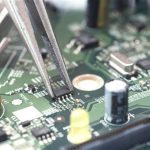
Sometimes, you may need to remove components from a PCB to replace them or to repurpose the board for a new project. To remove a component, start by heating up the solder joints with your soldering iron while gently pulling on the component with tweezers. Be careful not to apply too much force, as this can damage the PCB or the component.
Adding Components
Adding new components to a PCB is a great way to extend its functionality or to create a custom circuit. To add a component, start by tinning the pads on the PCB with a small amount of solder. Then, place the component onto the pads and heat up the solder joints with your soldering iron until the solder flows and forms a strong connection.
Jumpering
Jumpering involves adding a small wire or piece of conductive material to connect two points on a PCB that are not normally connected. This technique can be used to bypass damaged traces, to add new connections, or to modify the circuit’s behavior.
Tracing Circuits
To understand how a PCB works or to identify potential modification points, you’ll need to trace the circuit paths on the board. You can use a multimeter in continuity mode to follow the traces and identify which components are connected to each other. A magnifying glass or microscope can also be helpful for inspecting small traces and components.

Safety Considerations
PCB hacking involves working with electronic components and potentially hazardous materials, so it’s important to prioritize safety. Here are some key safety considerations to keep in mind:
ESD Protection
Electrostatic discharge (ESD) can damage sensitive electronic components, so it’s important to take precautions to prevent it. Wear an ESD wrist strap when handling PCBs, and work on an ESD-safe mat or surface.
Ventilation
Soldering can produce fumes that are harmful to inhale, so it’s important to work in a well-ventilated area. Use a fume extractor or fan to remove fumes from your workspace, and avoid breathing in the fumes directly.
Eye Protection
When soldering or working with small components, it’s important to protect your eyes from potential injuries. Wear safety glasses or goggles to prevent solder splashes or flying debris from entering your eyes.
Proper Disposal
Some electronic components and PCBs may contain hazardous materials, such as lead or other heavy metals. When disposing of old PCBs or components, be sure to follow local regulations and dispose of them properly at a designated e-waste facility.

Examples of PCB Hacking Projects
Here are a few examples of PCB hacking projects to inspire your own creations:
Arduino Modification
The Arduino is a popular open-source microcontroller platform that is often used in PCB hacking projects. By modifying an Arduino board, you can add new features or customize it for a specific application. For example, you could add a Bluetooth module to create a wireless controller, or modify the power supply to run on battery power.
Game Console Mods
Many PCB hackers enjoy modifying game consoles to add new features or to improve performance. For example, you could hack a Nintendo 64 to add an HDMI output, or modify a PlayStation 2 to run homebrew software.
Synth Mods
Synthesizers are another popular target for PCB hacking, as they often have complex circuits with many potential modification points. By hacking a synth PCB, you can create unique sound effects or add new features like MIDI control or CV/gate outputs.
FAQ
-
Q: Do I need to have prior experience with electronics to start PCB hacking?
A: While prior experience with electronics can be helpful, it’s not strictly necessary. PCB hacking can be a great way to learn about electronics and gain hands-on experience. Start with simple projects and work your way up to more complex ones as you gain confidence and skills. -
Q: Can I hack any PCB, or are there limitations?
A: In theory, any PCB can be hacked, but some may be more challenging than others. PCBs with very small traces or components may require specialized tools and techniques, while those with proprietary or encrypted firmware may be difficult or impossible to modify. It’s always a good idea to start with simpler PCBs and work your way up to more complex ones. -
Q: Where can I find PCBs to hack?
A: You can find PCBs to hack in a variety of places, including: - Old or broken electronic devices that you no longer use
- Surplus electronics stores or online marketplaces
- DIY Electronics kits or modules
-
Custom PCBs that you design and fabricate yourself
-
Q: How do I know which components to add or remove when hacking a PCB?
A: The specific components you add or remove will depend on your goals for the project. It’s important to have a clear understanding of the circuit’s function and the role of each component before making any modifications. You can use online resources, such as datasheets and schematics, to help identify components and their functions. -
Q: Are there any legal considerations to keep in mind when hacking PCBs?
A: In most cases, hacking PCBs for personal or educational use is legal, as long as you are not infringing on any patents or copyrights. However, it’s important to be aware of any local laws or regulations regarding electronic modifications, especially if you plan to sell or distribute your hacked PCBs. It’s also important to follow proper safety procedures and dispose of any hazardous materials responsibly.
Conclusion
PCB hacking is a fascinating and rewarding hobby that allows you to explore the inner workings of electronic devices and create custom projects. With the right tools and techniques, anyone can get started with PCB hacking and begin to unlock the potential of electronic circuits.
Remember to prioritize safety, start with simple projects, and don’t be afraid to experiment and make mistakes. With practice and persistence, you’ll soon be creating your own unique PCB hacks and pushing the boundaries of what’s possible with electronics.

Leave a Reply